The Ancient University of Nalanda
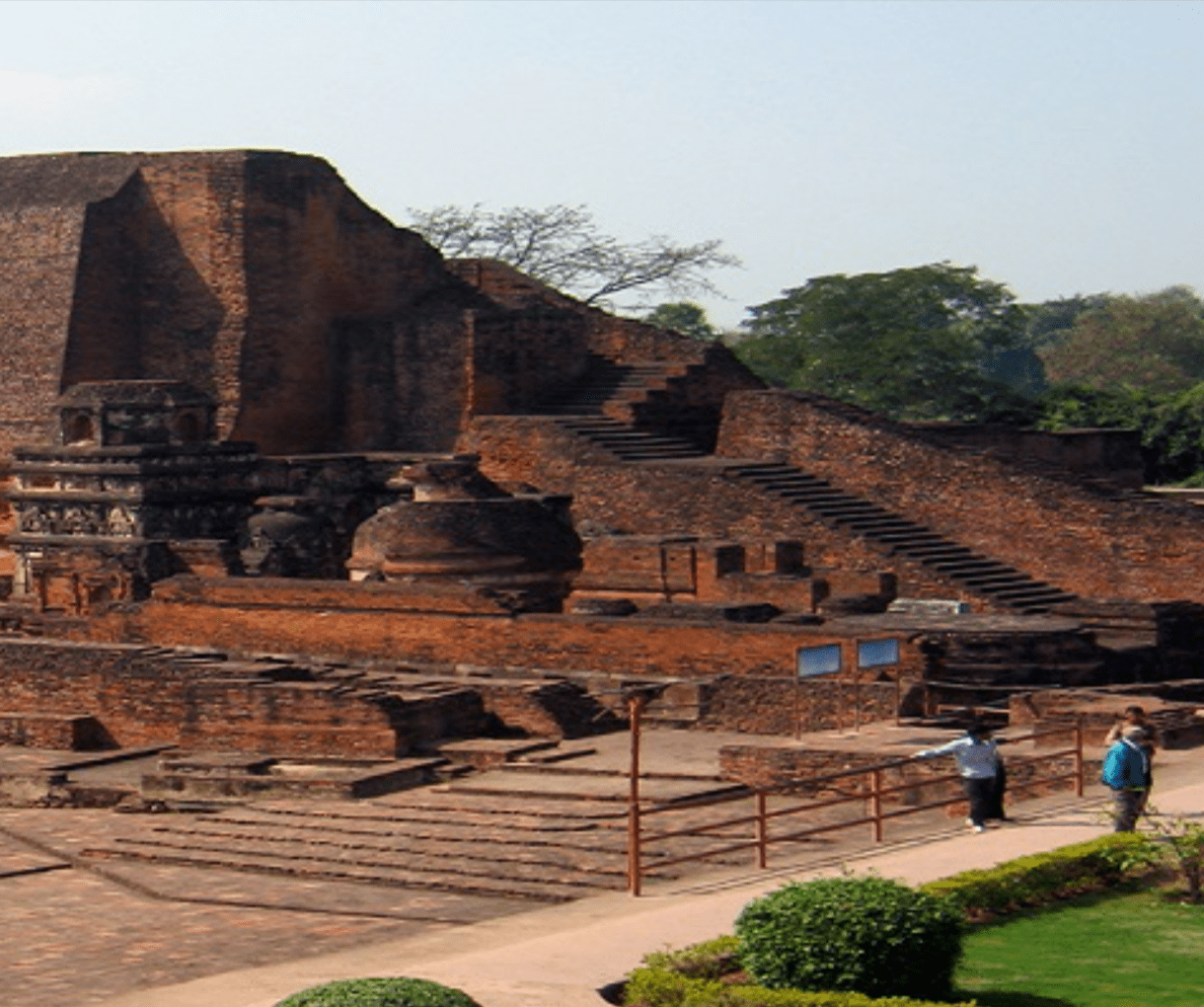
Nalanda was an ancient **Mahavihara**, a revered Buddhist monastery which also served as a renowned centre of learning in the ancient kingdom of Magadha (modern-day Bihar) in India. The site, now known as the Nalanda University Ruins, is located in the Nalanda district, about 95 kilometres southeast of Patna. It was a centre of learning from the fifth century CE to c. 1200 CE and is a UNESCO World Heritage Site. For more on its contemporary, see our post on Vikramshila University. The area, part of the Magadh Division, is also home to other significant sites like the historic city of Rajgir, the Hiuen Tsang Memorial Hall, and the sacred Jain site of Pawapuri Jal Mandir. The university's legacy is also honored by the modern Nava Nalanda Mahavihara.
The university was a masterpiece of architecture, with red brick buildings, serene lakes, and lush gardens. It attracted scholars and students from as far away as Tibet, China, Korea, and Central Asia. Subjects taught included:
* Theology
* Grammar & Logic
* Astronomy & Mathematics
* Metaphysics & Philosophy
* Medicine
The library, known as **Dharma Gunj** (Mountain of Truth), was a nine-storied building that housed hundreds of thousands of manuscripts.
The admission process at Nalanda was famously rigorous. Aspiring students were subjected to a difficult oral examination by a gatekeeper scholar. Only those who could demonstrate exceptional knowledge and intellectual prowess were granted entry. Once admitted, students lived a disciplined monastic life, engaging in intense debate and study under the guidance of some of the most brilliant minds of the era, such as the great mathematician Aryabhata.
The influence of Nalanda's scholars, or 'panditas', was profound and far-reaching. Masters like Shantarakshita and Padmasambhava were instrumental in establishing Buddhism in Tibet, translating key texts and founding monasteries. The logical and philosophical traditions developed at Nalanda became the bedrock of Tibetan Buddhist thought for centuries to come. This intellectual tradition was a hallmark of the Gupta Empire and later the Pala Dynasty.
The decline of Nalanda began in the late 12th century when it was sacked by an army of the Mamluk Dynasty under Bakhtiyar Khilji. The great library was said to have burned for months, destroying a vast repository of ancient knowledge. Today, the ruins of Nalanda stand as a powerful reminder of India's rich intellectual heritage, a legacy of non-violence also championed by figures like Gautama Buddha and Ashoka the Great, and detailed in our post on the Legacy of Ahimsa in Bihar. The Nalanda Archaeological Museum now preserves many of the artifacts excavated from the site.
Keywords: bihar, history, patna, Nalanda, ancient university, Buddhism, Magadh, Pataliputra, nalanda university ruins, rajgir, ashoka the great, hiuen tsang memorial hall, nalanda